The rising prevalence of drug and alcohol addiction has made it increasingly clear that more accessible and comprehensive treatment services are necessary. Despite advances in addiction science and the availability of effective treatments, many individuals struggle to access the care they need. A combination of financial, social, and logistical barriers continues to prevent people from receiving timely and effective treatment. Addressing these gaps requires a multifaceted approach that focuses on affordability, accessibility, and the integration of various treatment modalities.
The Need for Comprehensive Treatment
Addiction is a complex disease that affects the brain and body, often requiring a combination of medical, psychological, and social interventions. Effective treatment should go beyond detoxification and include counseling, behavioral therapy, medication-assisted treatment (MAT), and long-term support systems. However, in many communities, these comprehensive services are either limited or unavailable, leaving individuals without the support necessary for sustained recovery.
One of the most significant barriers to comprehensive care is the lack of coordination between different treatment providers. Patients may receive detox services in one facility but have difficulty transitioning to counseling or aftercare support. Integrated treatment models that coordinate various aspects of addiction care—such as primary care providers working alongside mental health professionals—can improve outcomes and prevent relapse.
Addressing Financial Barriers
One of the most pressing obstacles to addiction treatment is cost. Many individuals struggling with substance use disorders lack insurance or have limited coverage for rehabilitation services. Expanding Medicaid and other insurance programs to cover addiction treatment more comprehensively would allow more people to access necessary care. Additionally, increasing funding for public treatment centers and community-based programs can help bridge the financial gap for those who cannot afford private rehabilitation services.
Expanding Rural and Underserved Area Services
Many rural and underserved areas lack sufficient addiction treatment facilities, forcing individuals to travel long distances to receive care. This geographic barrier can be particularly challenging for those without reliable transportation or financial resources. One way to bridge this gap is by expanding telehealth services for addiction treatment. Virtual counseling, medication management, and peer support groups can provide critical care to those in remote locations.
Moreover, mobile treatment units and community outreach programs can help bring addiction services directly to underserved populations. These initiatives can offer on-site counseling, medication-assisted treatment, and referrals to additional services, ensuring that individuals receive the help they need without unnecessary delays.
Reducing Stigma and Encouraging Early Intervention
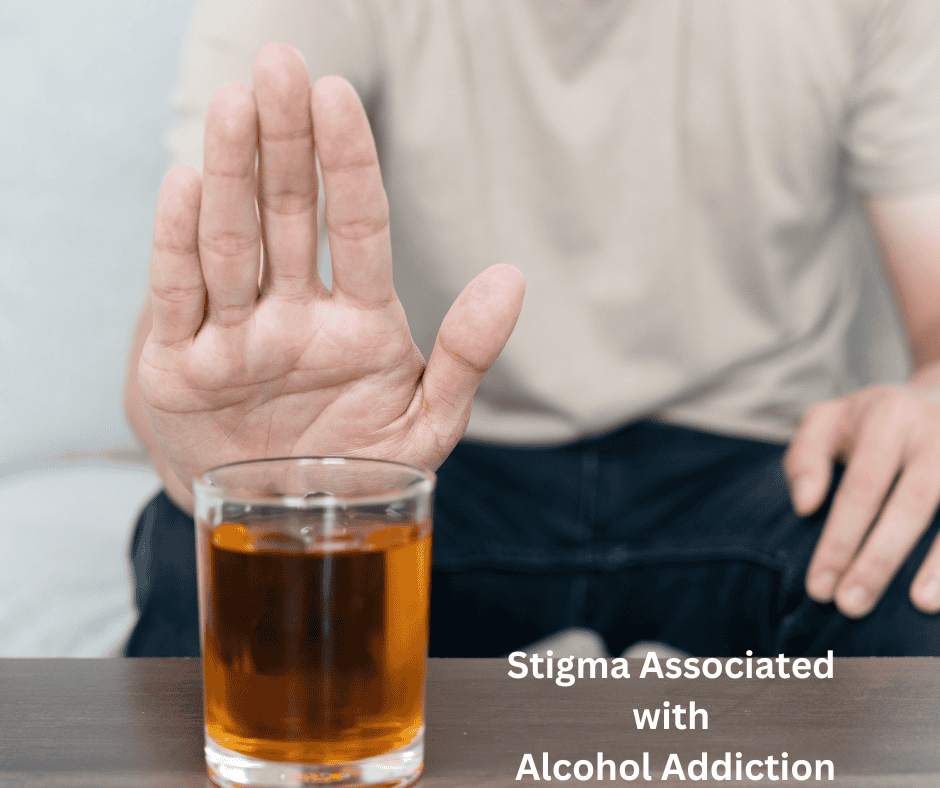
Stigma remains one of the biggest barriers to seeking addiction treatment. Many individuals fear judgment from society, employers, or even family members, leading them to avoid seeking help. Public awareness campaigns, education programs, and employer-supported recovery initiatives can help normalize addiction treatment and encourage early intervention.
Healthcare providers also play a critical role in reducing stigma by treating addiction as a medical condition rather than a moral failing. Training more healthcare professionals in addiction medicine and ensuring that primary care providers screen for substance use disorders can facilitate earlier diagnosis and intervention.
Conclusion
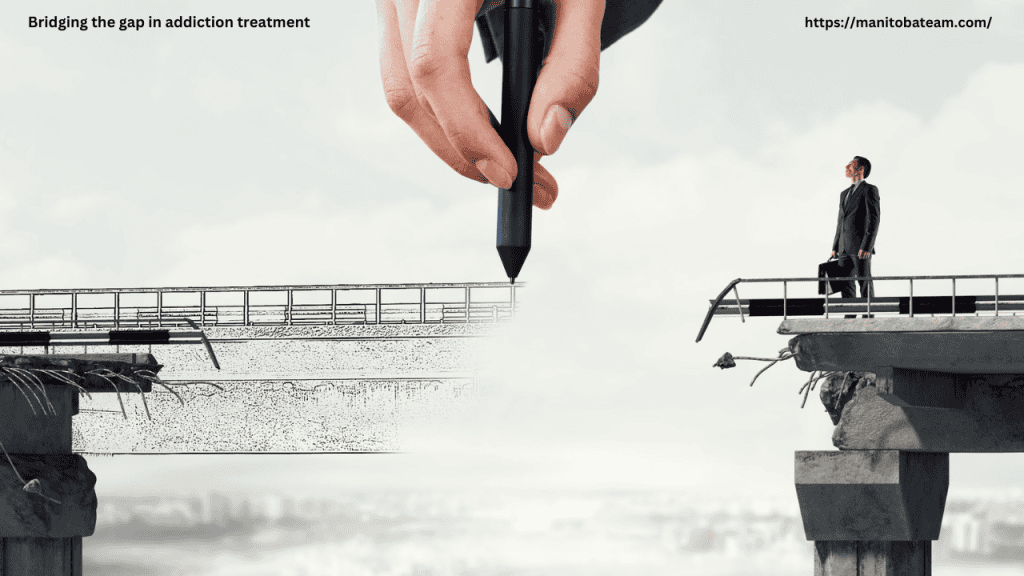
Bridging the gap in addiction treatment services requires a comprehensive approach that addresses financial, geographic, and social barriers. Expanding insurance coverage, increasing telehealth services, and integrating different levels of care can improve access and outcomes for individuals struggling with substance use disorders. By investing in these initiatives and reducing stigma, society can create a more supportive and effective addiction treatment system, ultimately saving lives and fostering long-term recovery.