
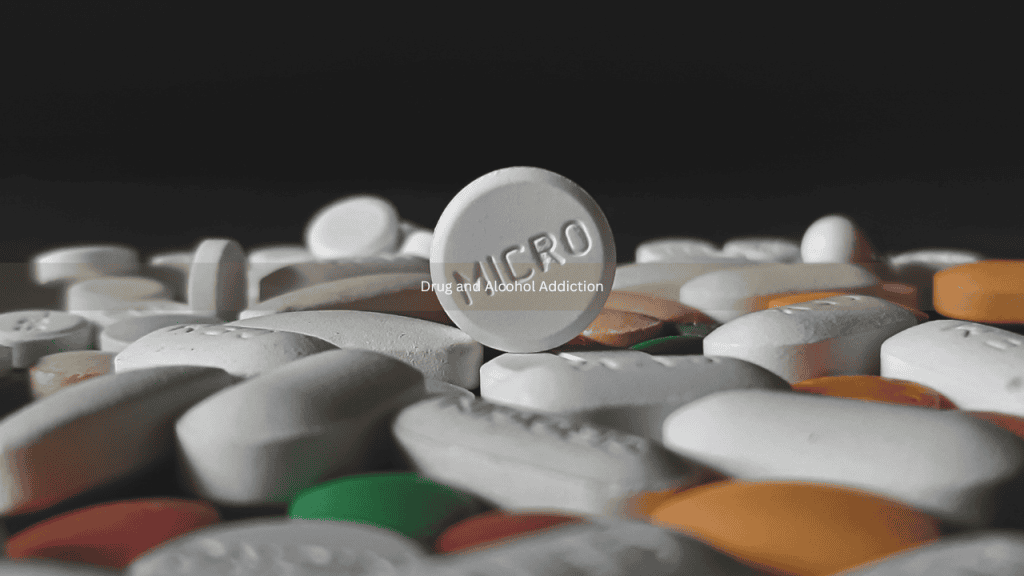
Substance use disorder (SUD), involving drug and alcohol addiction, remains a global health challenge, impacting individuals, families, and communities. The treatment of addiction requires a holistic, multi-faceted approach that addresses not just the physical dependence but also the psychological, social, and environmental factors contributing to the disorder. Comprehensive treatment approaches for addiction involve a blend of medical, psychological, and community-based interventions that work in concert to promote long-term recovery. This article will explore best practices and effective service delivery models that enhance addiction treatment outcomes.
Understanding Comprehensive Addiction Treatment
A comprehensive approach to drug and alcohol addiction treatment goes beyond detoxification. Detoxification is often the first step, where medical professionals manage the physical withdrawal symptoms as the body clears the substances. However, true recovery involves addressing the underlying causes of addiction, which are often rooted in mental health disorders, trauma, social isolation, and environmental stressors.
To treat addiction comprehensively, a combination of treatments is typically employed. These may include medication-assisted treatment (MAT), behavioral therapies, and community support systems. MAT uses FDA-approved medications like methadone, buprenorphine, or naltrexone to help manage cravings and reduce the risk of relapse. Behavioral therapies, such as Cognitive Behavioral Therapy (CBT) and Motivational Interviewing (MI), are critical in addressing the psychological aspects of addiction, helping individuals understand their triggers and develop coping strategies.
Integrated Care Models
Integrated care models represent a best practice in addiction treatment. These models combine mental health services with addiction treatment in a coordinated manner, recognizing the frequent co-occurrence of mental health issues, such as depression and anxiety, with substance use disorders. When mental health disorders and addiction are treated together, patients experience better outcomes, including reduced relapse rates and improved quality of life.
For example, the Collaborative Care Model involves a team of healthcare providers—such as primary care doctors, mental health specialists, and addiction counselors—working together to create personalized treatment plans. These plans are tailored to the individual’s needs, ensuring that all aspects of their health are considered during the recovery process. By treating mental health and addiction simultaneously, integrated care reduces the likelihood of individuals falling through the cracks of fragmented care systems.
Evidence-Based Practices
The most successful addiction treatment programs are rooted in evidence-based practices, which have been rigorously tested in clinical settings. Motivational Enhancement Therapy (MET), for example, is designed to help individuals enhance their intrinsic motivation to change their addictive behaviors. Contingency Management (CM), another evidence-based practice, rewards individuals for staying sober with incentives like vouchers or prizes, which has been shown to significantly reduce drug and alcohol use in various populations.
Family therapy is also critical in many cases, as addiction often impacts entire families. The Community Reinforcement and Family Training (CRAFT) model engages family members in the recovery process and helps them learn how to support their loved ones without enabling addictive behaviors.
Community and Social Support
No treatment approach is complete without community and social support. Aftercare services, such as 12-step programs like Alcoholics Anonymous (AA) and Narcotics Anonymous (NA), provide ongoing peer support. These groups offer a sense of community, accountability, and shared experiences that are invaluable for maintaining sobriety. Many successful treatment programs emphasize the importance of peer support in the recovery journey.
Conclusion
Comprehensive approaches to drug and alcohol addiction treatment, rooted in evidence-based practices, integrated care models, and community support, provide the best path to long-term recovery. Effective service delivery involves addressing the physical, mental, and social aspects of addiction while ensuring that care is continuous and coordinated. As the understanding of addiction evolves, so too must the services and strategies used to treat it, ensuring that individuals receive the holistic support they need to reclaim their lives from addiction.