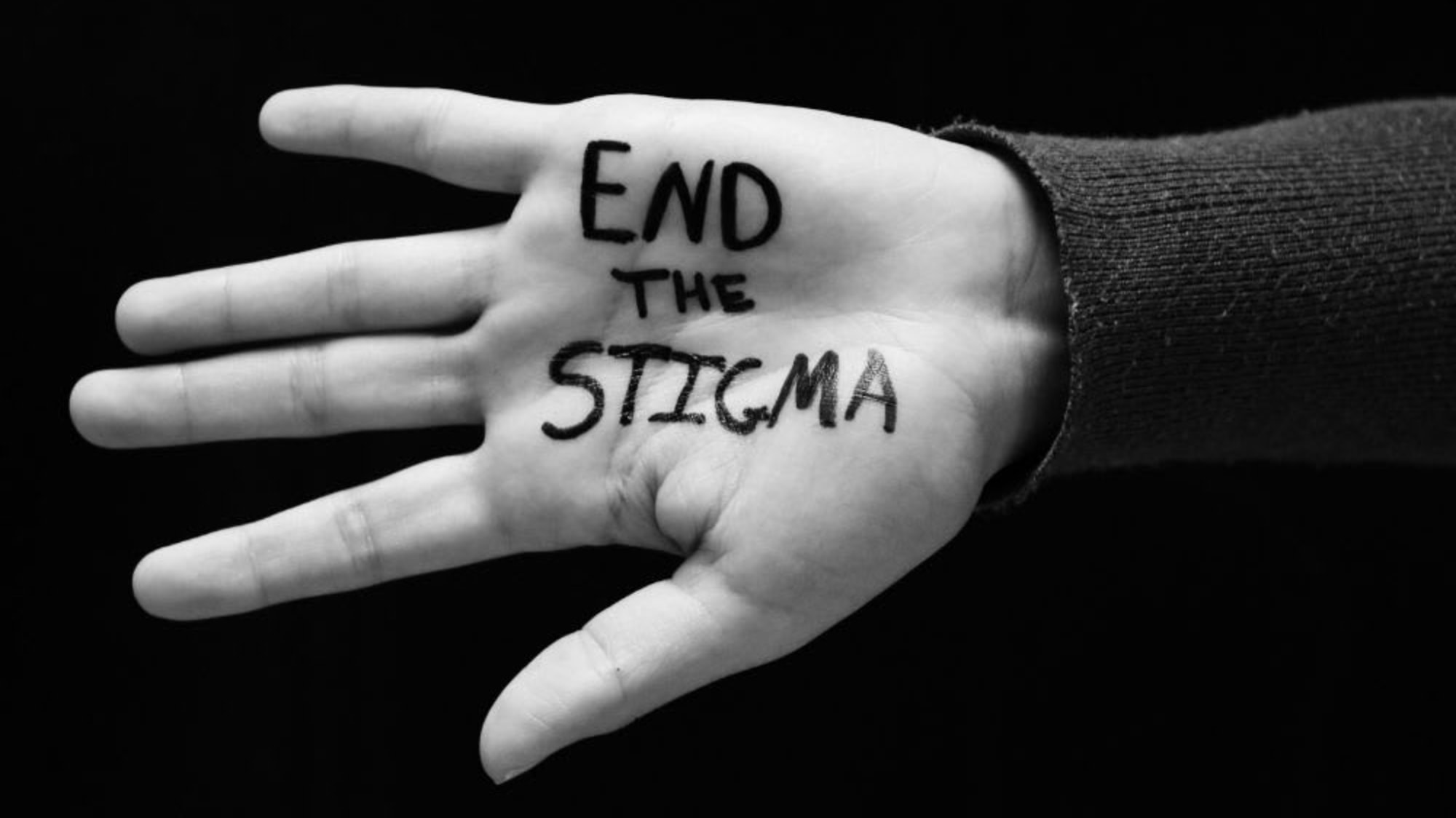
Addiction is not a moral failing. Yet stigma still stands between many people and the help they urgently need. At Manitoba Addiction Treatment Services we see stigma as a silent barrier preventing healing, recovery and hope. This article lifts the veil on common misconceptions, offers grounded facts about substance use disorders, and shows how our compassionate, client‑centered care helps individuals move forward without shame.
What is the Stigma Around Addiction?
Misconceptions often spark stigma. People may believe that addiction stems from weak character, poor choices or moral weakness. In reality substance use disorders are complex medical conditions influenced by genetics, trauma and mental health challenges. These misconceptions fuel shame, delay treatment and isolate individuals at their most vulnerable.
Stigma can also be internalized when a person accepts negative labels toward themselves. That emotional weight—guilt, self‑blame or hopelessness—often undermines recovery and prevents someone from reaching out for help.
How Stigma Undermines Recovery
In Healthcare Settings
When stigma is present in treatment environments—consciously or unconsciously—patients may receive lower quality care. That can include spending less time with providers, denial of medication-assisted treatment options or dismissive attitudes. We believe every client deserves dignity, evidence-based care and full access to options that support lasting recovery.
Within Communities and Families
In homes and communities, stigma often shows up as judgment or rejection rather than support. That social pressure can deter someone from asking for help, attending programs such as inpatient or outpatient care, or pursuing mental health services. Healing begins when people feel accepted, understood and supported—not shamed.
What the Truth About Addiction Really Shows
Addiction Is Treatable
Medical and therapeutic interventions—including detox, therapy, medication-assisted treatment (MAT), peer support and holistic approaches—offer powerful tools for recovery. At Manitoba we offer integrated inpatient and outpatient programs that blend clinical excellence with faith-based and holistic care to treat the whole person.
Addiction Is Not a Character Flaw
Genetics, trauma, environmental stress and mental health challenges play significant roles in developing substance use disorders. Recognizing addiction as a treatable condition rather than a personal weakness removes blame and opens space for compassion, treatment and healing.
What We Can Do: How to Break the Stigma
Use Respectful, Person-First Language
The words we choose matter. Saying “person with a substance use disorder” instead of labeling someone an “addict” emphasizes dignity and humanity. Our team speaks intentionally and models respectful language across all our services, written materials and outreach.
Educate and Share Real Stories
When people see real stories of recovery, myths about addiction lose power. Personal narratives, family experiences and community education help shift public perception from judgment to empathy. Those stories also help others realize they are not alone.
Integrate Compassion into Treatment
At Manitoba Addiction Treatment Services we combine professional, therapeutic care with faith-based support and holistic strategies like mindfulness, nutrition and spiritual guidance. This client-centered approach respects individual values and helps each person build a plan that fits their life and values.
Advocate for Systemic Change
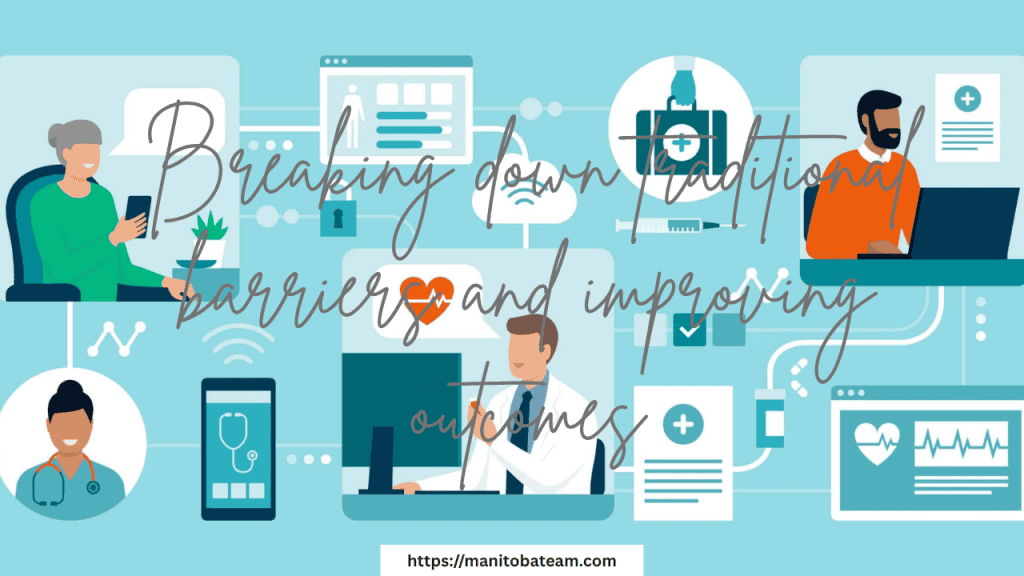
System-level barriers—such as insurance limitations or restrictive policies around medication-assisted treatments—further reinforce stigma. Advocating for policy changes that ensure access to MAT, integrated mental health care and equitable treatment supports clients and helps reduce systemic stigma.
Conclusion: Speak Up, Reach Out and Heal
Stigma does more than hurt feelings—it blocks treatment, increases isolation and threatens lives. By unmasking myths, encouraging inclusive language, valuing real stories and supporting compassionate care, we can change the conversation about addiction.
If you or someone you care about is seeking help with addiction or mental health treatment, you do not have to face stigma alone. Manitoba Addiction Treatment Services offers individualized inpatient and outpatient care, mental health support, faith-based and holistic treatment options. Contact us today to learn more or start your recovery journey. You deserve help that meets you with respect, dignity and real hope.