

Finding Hope: Comprehensive Addiction Treatment Services in Manitoba

Addiction can feel overwhelming, isolating, and insurmountable. Many individuals struggle to see a way forward, fearing judgment or uncertainty about treatment options. At Manitoba Team, we provide comprehensive addiction treatment services designed to help people regain control of their lives. Through compassionate, evidence-based care, we guide clients toward recovery with individualized support that addresses mental, physical, and spiritual well-being.


Understanding Comprehensive Addiction Treatment

Addiction is not just a matter of willpower. It is a complex condition influenced by genetics, mental health, trauma, and environmental factors. Comprehensive treatment addresses all aspects of a person’s needs, combining medical care, therapy, and support systems to promote long-term recovery.

Integrated Mental Health and Addiction Services

Many people with substance use disorders also experience co-occurring mental health conditions, such as anxiety, depression, or trauma-related challenges. Manitoba Team integrates mental health treatment into every program, ensuring that clients receive the care necessary to heal both mind and body. This integrated approach improves recovery outcomes and reduces the risk of relapse.

Inpatient and Outpatient Care Options

Recovery is a journey, and each individual’s needs vary. Manitoba Team offers both inpatient and outpatient programs, providing flexibility and support at every stage:

  • Inpatient Care: Ideal for individuals requiring structured, immersive treatment. This program offers 24/7 support, medical supervision, and a safe environment for focused recovery.
  • Outpatient Care: Designed for those balancing treatment with work, family, or other responsibilities. Clients receive therapy, counseling, and support while living at home, promoting independence while maintaining accountability.

Holistic and Faith-Based Approaches

Healing extends beyond clinical care. Manitoba Team incorporates holistic and faith-based therapies that nurture the mind, body, and spirit. From spiritual guidance to wellness practices and mindfulness exercises, these programs support personal growth and emotional resilience, helping clients build a foundation for lasting recovery.


Personalized Care Plans for Lasting Success

Tailored to Individual Needs

No two recovery journeys are the same. Manitoba Team develops personalized treatment plans that reflect each client’s goals, history, and unique challenges. By addressing the individual rather than applying a one-size-fits-all solution, clients receive care that is relevant, effective, and empowering.

Building Support Systems

Recovery is strengthened by connection. Our programs include family support, peer groups, and community resources, helping clients develop strong networks that encourage accountability, understanding, and motivation.


Taking the First Step

Seeking help is the bravest step toward recovery. By accessing comprehensive addiction treatment services in Manitoba, individuals can find guidance, support, and hope. Our approach focuses on dignity, respect, and empowerment, creating an environment where lasting change is possible.


Hope is Within Reach

Recovery is not a distant dream. With the right support, guidance, and personalized care, individuals struggling with addiction can reclaim their lives and build a brighter future. Manitoba Team offers addiction recovery services, mental health treatment, holistic care, and faith-based programs to support every step of the journey.

If you or a loved one is ready to take the first step toward healing, contact Manitoba Team today. Together, we can create a path toward lasting recovery, renewed hope, and a life worth living.

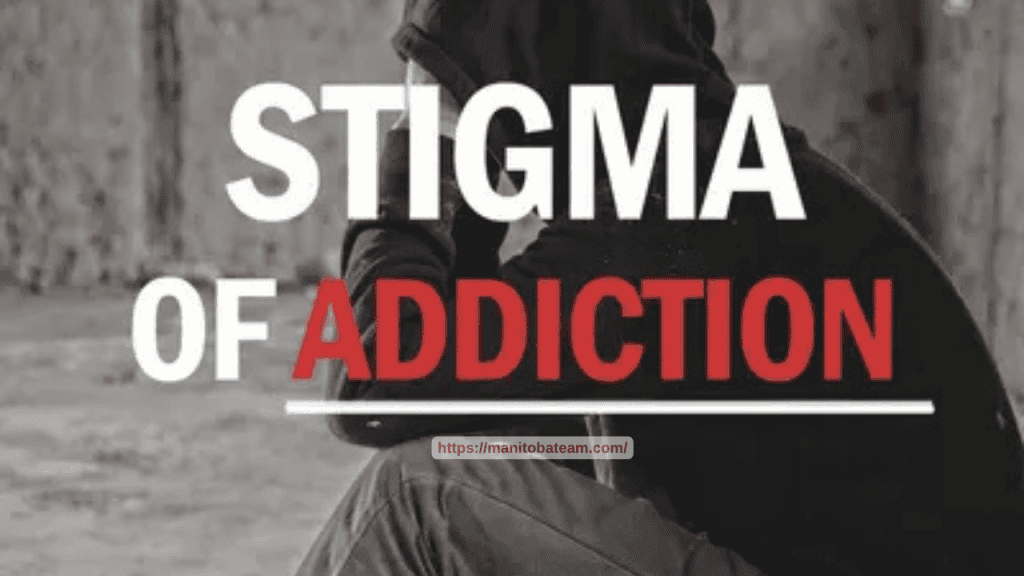
Language Matters: Using Words That Support, Not Stigmatize, in Recovery Care

The words we use shape how we see the world—and how we see ourselves. In addiction recovery, language can either support healing or reinforce stigma. At Manitoba Team, we understand that choosing compassionate, person-centered language is essential for empowering individuals and fostering environments where recovery can thrive. Words matter because they influence self-perception, community attitudes, and access to care.


Why Language Shapes Recovery

Language is more than communication. It carries meaning, judgment, and emotion. When people are labeled as “addicts” or “junkies,” they are reduced to their struggles. This type of language perpetuates shame and can discourage individuals from seeking the treatment they need.

Conversely, person-first language, such as “a person living with addiction” or “an individual in recovery,” acknowledges the person beyond the condition. This subtle shift in phrasing fosters respect, dignity, and hope—key ingredients for successful recovery.


Common Stigmatizing Terms and Their Alternatives

Avoid Labels That Define the Person by the Condition

  • Stigmatizing: Addict, alcoholic, drug abuser
  • Supportive Alternative: Person with a substance use disorder, individual in recovery

Use Neutral, Accurate Descriptions

  • Stigmatizing: Clean or dirty (referring to drug tests)
  • Supportive Alternative: Negative or positive results, reflecting factual status without judgment

Focus on Recovery, Not Failure

  • Stigmatizing: Relapse, failure, lost cause
  • Supportive Alternative: Setback, learning experience, part of the recovery journey

By adopting these alternatives, treatment providers, families, and communities can reinforce hope instead of shame.


How Manitoba Team Implements Supportive Language

Compassionate Communication in Treatment

Our inpatient and outpatient programs prioritize judgment-free communication. Every staff member is trained to use language that empowers clients and strengthens their self-worth. By modeling compassionate language, we foster environments where individuals feel safe to be honest, vulnerable, and motivated to engage in treatment.

Integrating Mental Health and Addiction Care

Language also plays a critical role in integrated mental health treatment. Clients with co-occurring conditions benefit from care that validates their experiences rather than labeling them. Our mental health treatment programs emphasize empathy and understanding, helping clients navigate the complexities of addiction and mental wellness.

Holistic and Faith-Based Support

Words matter not just in clinical care but also in holistic and spiritual healing. Through faith-based counseling, wellness practices, and holistic therapies, Manitoba Team encourages language that uplifts, inspires, and reinforces personal growth.


Practical Tips for Families and Communities

Listen Before Speaking

Understanding a person’s experiences helps families choose words that reflect empathy rather than judgment.

Educate Others About Language Impact

Communities can reduce stigma by raising awareness about the role of language in recovery. Schools, workplaces, and local organizations can model supportive communication to encourage understanding.

Celebrate Progress with Positive Language

Reinforcing achievements, no matter how small, helps individuals feel recognized and valued. Words like “progress,” “resilience,” and “growth” reinforce hope and motivation.


Healing Begins with Words

Language is a powerful tool in addiction recovery. When we choose words that support rather than stigmatize, we open doors to healing, trust, and empowerment. At Manitoba Team, we combine addiction recovery services, mental health treatment, holistic care, and faith-based support with communication that honors each individual’s dignity.

If you or someone you love is ready to begin a recovery journey in a compassionate, judgment-free environment, reach out to Manitoba Team today. Together, we can create spaces where recovery thrives and lives are transformed, one word at a time.

Beyond the Blame: Reframing Addiction as a Health Issue, Not a Moral Failing

For decades, addiction has been misunderstood as a personal weakness or moral failing. This perception fuels stigma, shame, and discrimination, preventing millions from seeking the help they need. At Manitoba Team, we approach addiction differently. We recognize it as a complex health condition influenced by genetics, mental health, trauma, and environmental factors. By reframing addiction as a health issue, we open the door to compassionate care, effective treatment, and lasting recovery.


Understanding Addiction as a Health Condition

Addiction is not a choice or a reflection of character. It is a medical condition that affects the brain and body, altering reward pathways, decision-making, and impulse control. Research shows that without intervention, addiction can persist, worsen, and negatively impact both physical and mental health.

Viewing addiction through a medical lens allows communities, families, and individuals to respond with understanding rather than judgment. This shift is crucial for breaking down barriers to treatment and fostering an environment where recovery is possible.


How Stigma Blocks Recovery

The Impact of Moral Judgments

When addiction is seen as a moral failing, individuals often experience shame and guilt, which can delay seeking help. They may hide their struggles, fearing rejection or condemnation. This internalized stigma creates an invisible barrier that reinforces addiction rather than resolving it.

Families and Communities Are Affected

Stigma extends beyond the individual. Families may struggle to provide support due to societal judgment, and communities may lack programs designed to encourage treatment. Recognizing addiction as a health issue empowers families and community leaders to respond with compassion and proactive support.


Shifting the Narrative: Treatment and Support

Comprehensive, Individualized Care

At Manitoba Team, we provide personalized inpatient and outpatient programs tailored to each client’s unique needs. By treating the whole person—including mental, physical, and emotional health—we support sustainable recovery.

Integrating Mental Health Services

Many individuals with addiction also face mental health challenges, such as anxiety, depression, or trauma. Our integrated approach ensures that mental health treatment and addiction care work together, addressing underlying causes rather than only symptoms.

Holistic and Faith-Based Approaches

Recovery extends beyond clinical interventions. Through holistic and faith-based programs, clients can explore spiritual growth, mindfulness, and wellness practices that nurture the mind, body, and spirit. This comprehensive care empowers individuals to build resilience and reclaim their lives.


Practical Steps to Reframe Addiction in Communities

Educate and Inform

Community awareness campaigns, workshops, and educational programs can challenge myths about addiction. Sharing accurate information fosters empathy and encourages people to seek help without fear of judgment.

Share Stories of Recovery

Highlighting real-life recovery journeys humanizes addiction and demonstrates that healing is achievable. Stories inspire hope and show that treatment and support make a difference.

Promote Judgment-Free Spaces

Creating safe, compassionate environments for treatment encourages individuals to reach out. When clinics, families, and communities prioritize respect over blame, recovery becomes attainable for more people.


Health Over Blame

Reframing addiction as a health issue is essential for breaking stigma, encouraging treatment, and fostering lasting recovery. At Manitoba Team, we combine addiction recovery services, mental health care, holistic practices, and faith-based support to provide compassionate, individualized care.

If you or a loved one is struggling with addiction, you do not have to face it alone. Reach out today to begin a recovery journey grounded in understanding, dignity, and hope. Together, we can move beyond blame and embrace the possibility of lasting healing.

Voices of Recovery: Stories That Break the Stigma of Addiction

Addiction often thrives in silence. For many individuals, the fear of judgment or misunderstanding keeps them from sharing their struggles and seeking help. Yet when stories of recovery are brought into the light, they do more than inspire hope. They challenge stigma, educate communities, and remind us that healing is possible. At Manitoba Team, we believe that every recovery story is a powerful tool in changing how society views addiction and those who face it.


Why Sharing Recovery Stories Matters

When people openly share their experiences with addiction and recovery, they reclaim their voices from stigma. Too often, addiction is portrayed through stereotypes that focus only on struggle. Recovery stories reveal the truth: that individuals can and do rebuild their lives with the right support.

Personal stories show that addiction does not discriminate. They highlight the strength, resilience, and determination of those who have faced substance use and mental health challenges. Most importantly, they let others know they are not alone.


How Stigma Creates Barriers

Fear of Judgment

Stigma leads many to hide their addiction, fearing they will be seen as weak or unworthy. This fear often delays treatment, allowing the condition to worsen.

Isolation

Stigma pushes people into isolation, cutting them off from the relationships and resources that could help them heal.

Silence in Families and Communities

Loved ones may also avoid speaking about addiction due to shame or fear of being judged. This silence prevents open conversations and creates barriers to seeking care.


Stories as a Force for Change

Building Empathy

When recovery stories are shared, they foster understanding. Hearing about real struggles and victories helps communities replace judgment with compassion.

Inspiring Others to Seek Help

For someone hesitant to reach out, hearing that another person has walked the same path and found healing can be the turning point that motivates action.

Shifting the Narrative

Every recovery story chips away at stereotypes. It reminds us that addiction is not a moral failing but a health condition that requires comprehensive, professional care.


How Manitoba Team Supports the Recovery Journey

At Manitoba Team, we are committed to creating spaces where recovery stories can thrive. Our programs are built on dignity, respect, and individualized support.

Comprehensive Care

We provide both inpatient and outpatient services, ensuring that each person receives the level of care that best fits their needs.

Integrated Mental Health Treatment

Because addiction often goes hand in hand with trauma, depression, or anxiety, we offer integrated mental health treatment to address the root causes of substance use.

Holistic and Faith-Based Approaches

Recovery is not only about breaking free from substances. It is about rebuilding life with balance and meaning. Through holistic and faith-based care, clients can explore counseling, wellness practices, and spiritual growth as part of their healing.


Every Story Has Power

Voices of recovery are more than personal victories. They are lifelines for those still struggling and beacons of hope for families and communities. By sharing stories, we break the silence that stigma creates and remind others that recovery is real and attainable.

At Manitoba Team, we honor every individual’s journey and provide the compassionate care needed to support lasting change. If you or someone you love is struggling with addiction, know that your story is not over. Reach out today to begin a new chapter filled with healing, strength, and renewed purpose.