
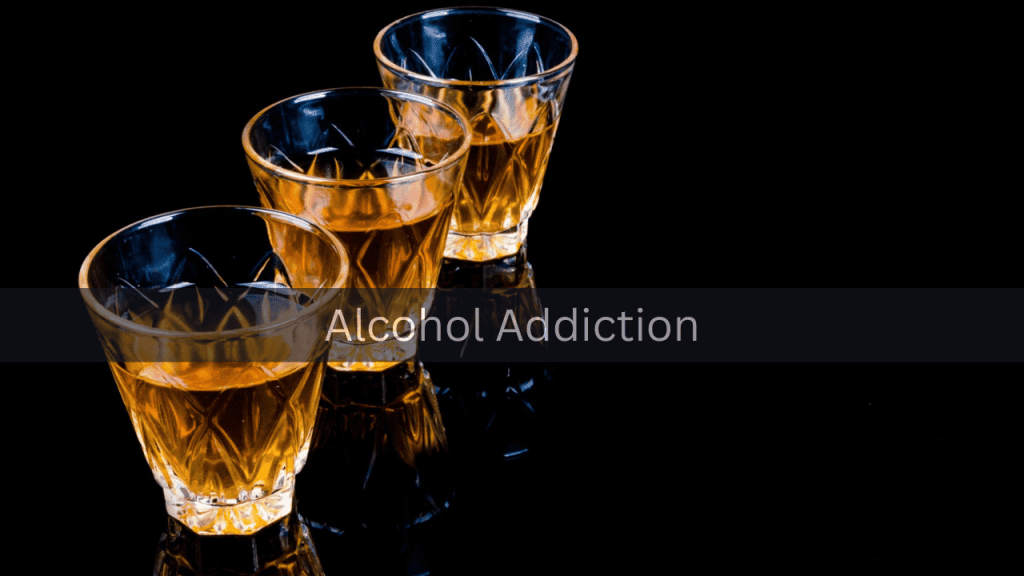
Drug and alcohol addiction remains a significant public health issue worldwide, necessitating continuous innovation in treatment methods. The complexity of addiction, influenced by biological, psychological, and social factors, requires a multifaceted approach to effectively address the needs of individuals struggling with substance use disorders. Innovative approaches in providing comprehensive services for drug and alcohol addiction treatment are essential for improving outcomes and supporting long-term recovery.
Integrated Care Models
One of the most promising innovations in addiction treatment is the integration of care models that combine physical health, mental health, and addiction services. This holistic approach ensures that all aspects of an individual’s well-being are addressed simultaneously. For example, integrated care models often include primary care physicians, psychiatrists, psychologists, and addiction specialists working together to create a personalized treatment plan. This coordinated effort helps to manage co-occurring disorders, such as depression or anxiety, which are common among individuals with substance use disorders.
Telehealth Services
The advent of telehealth services has revolutionized access to addiction treatment, particularly for individuals in remote or underserved areas. Telehealth provides a convenient and confidential platform for patients to receive counseling, medication management, and support groups via video conferencing. This innovation has been especially valuable during the COVID-19 pandemic, allowing continuous care without the risk of virus exposure. Telehealth also reduces barriers such as transportation and time constraints, making it easier for individuals to engage in treatment consistently.
Medication-Assisted Treatment (MAT)
Medication-assisted treatment (MAT) is a well-established but continually evolving approach to managing opioid and alcohol addiction. MAT combines FDA-approved medications, such as methadone, buprenorphine, and naltrexone, with behavioral therapies. These medications help to normalize brain chemistry, reduce cravings, and alleviate withdrawal symptoms, making it easier for individuals to focus on their recovery. Recent innovations in MAT include the development of long-acting injectables and implants that provide sustained medication release, enhancing compliance and reducing the risk of relapse.
Personalized Treatment Plans
Personalization in addiction treatment is gaining traction as a means to improve outcomes. Advances in genetic testing and biomarker research allow for the customization of treatment plans based on an individual’s genetic makeup and specific substance use patterns. Personalized treatment plans can help identify the most effective medications and therapies for each person, reducing the trial-and-error period that often accompanies addiction treatment. This approach also fosters a sense of empowerment and engagement in patients, as they receive care tailored to their unique needs.
Peer Support and Recovery Coaching
The incorporation of peer support and recovery coaching into addiction treatment programs has shown significant benefits. Peer support specialists and recovery coaches, who have personal experience with addiction and recovery, provide mentorship, encouragement, and practical guidance to individuals in treatment. Their lived experience offers a unique perspective and a relatable source of support, fostering hope and motivation. Peer support networks and recovery coaching have been particularly effective in helping individuals navigate the challenges of early recovery and build sustainable, healthy lifestyles.
Holistic and Complementary Therapies
Holistic and complementary therapies, such as yoga, meditation, acupuncture, and art therapy, are increasingly integrated into addiction treatment programs. These therapies address the physical, emotional, and spiritual aspects of recovery, promoting overall well-being. For instance, mindfulness-based practices like meditation and yoga can help reduce stress, improve emotional regulation, and enhance self-awareness, which are crucial skills for maintaining sobriety. Complementary therapies offer additional tools for coping with cravings and triggers, contributing to a more comprehensive and resilient recovery process.
In conclusion, innovative approaches in providing comprehensive services for drug and alcohol addiction treatment are essential for addressing the multifaceted nature of addiction. Integrated care models, telehealth services, medication-assisted treatment, personalized treatment plans, peer support, and holistic therapies represent significant advancements in the field. By embracing these innovations, healthcare providers can offer more effective, accessible, and personalized care, ultimately improving outcomes and supporting individuals on their journey to recovery.